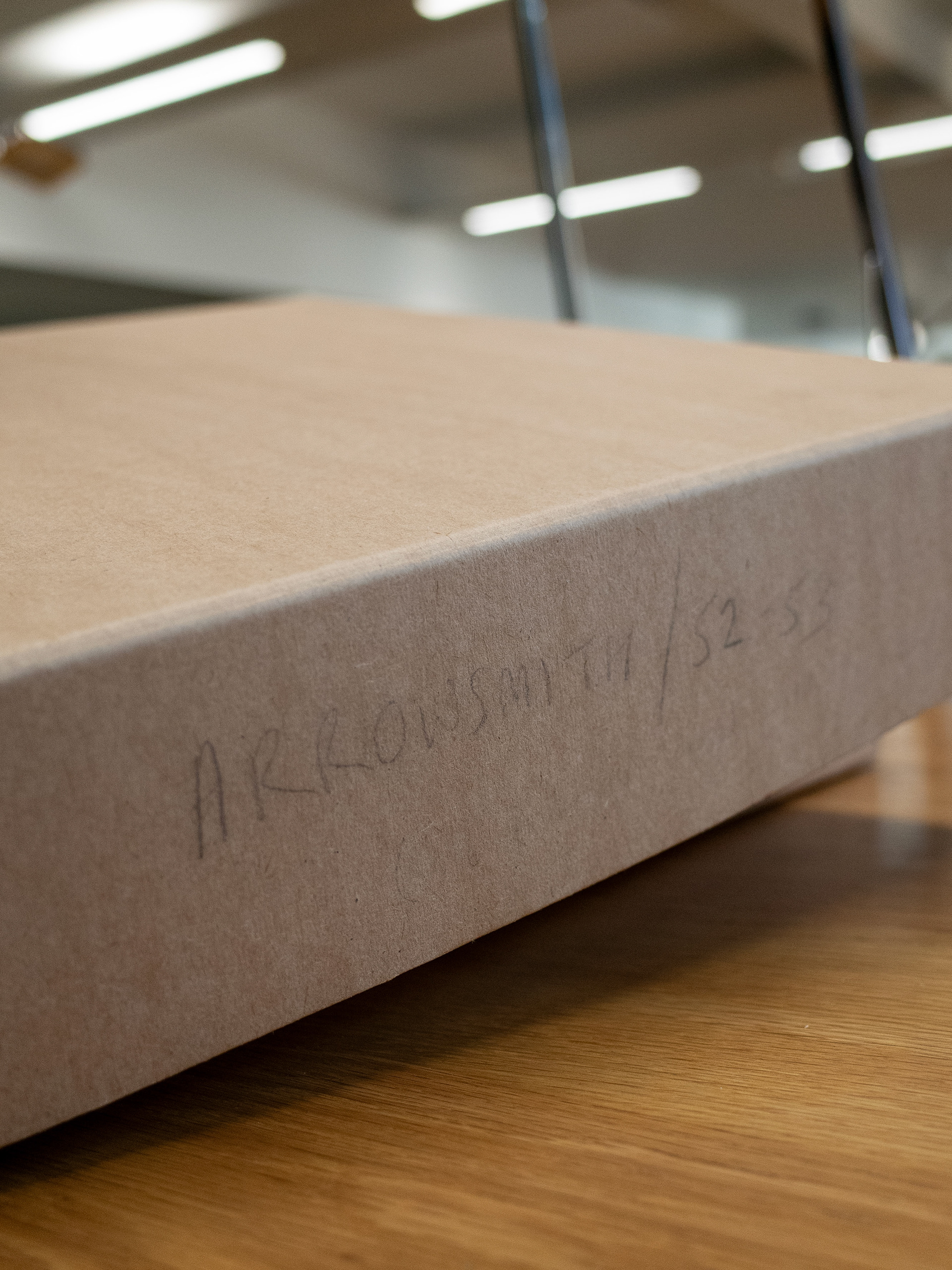
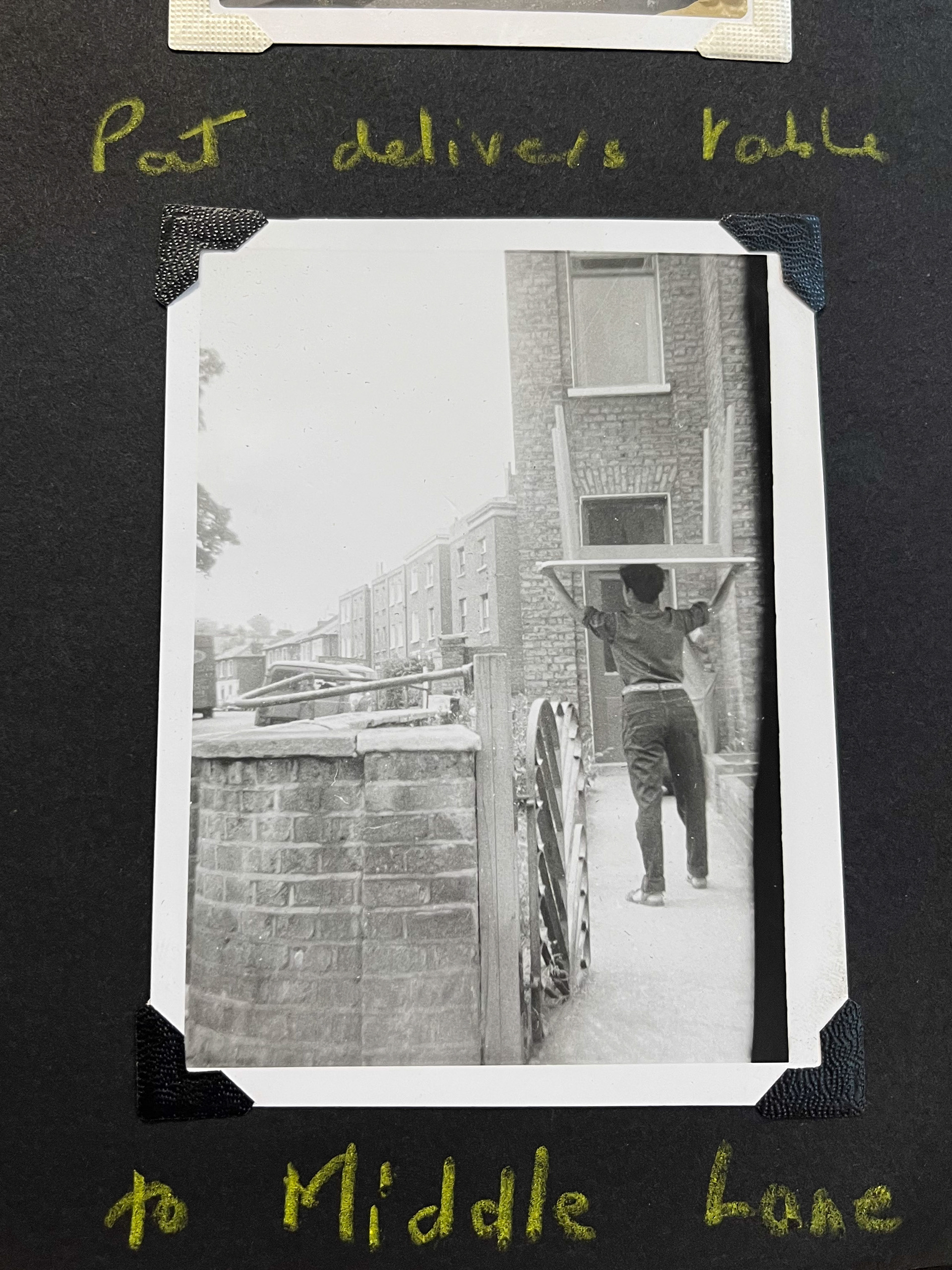
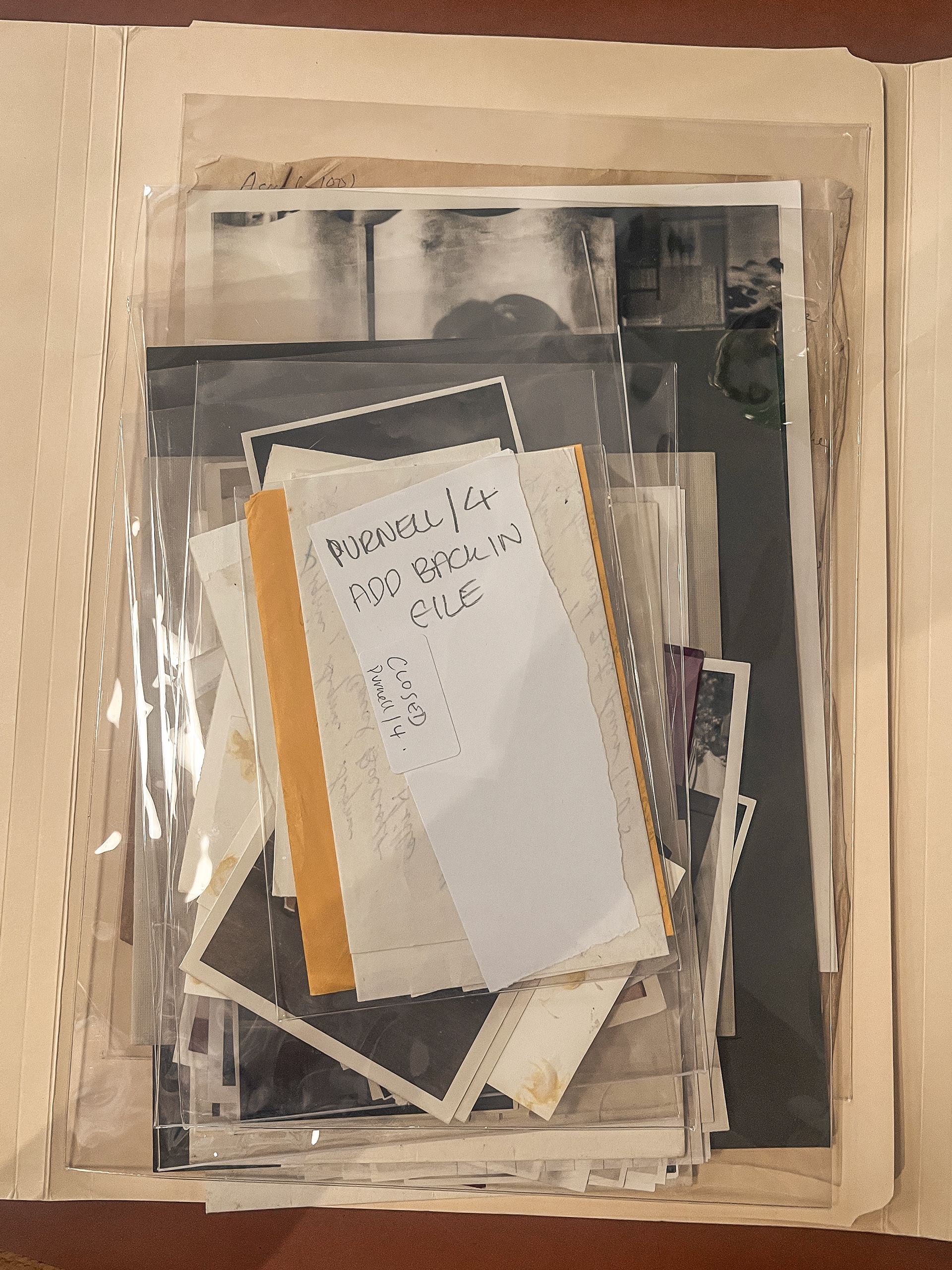
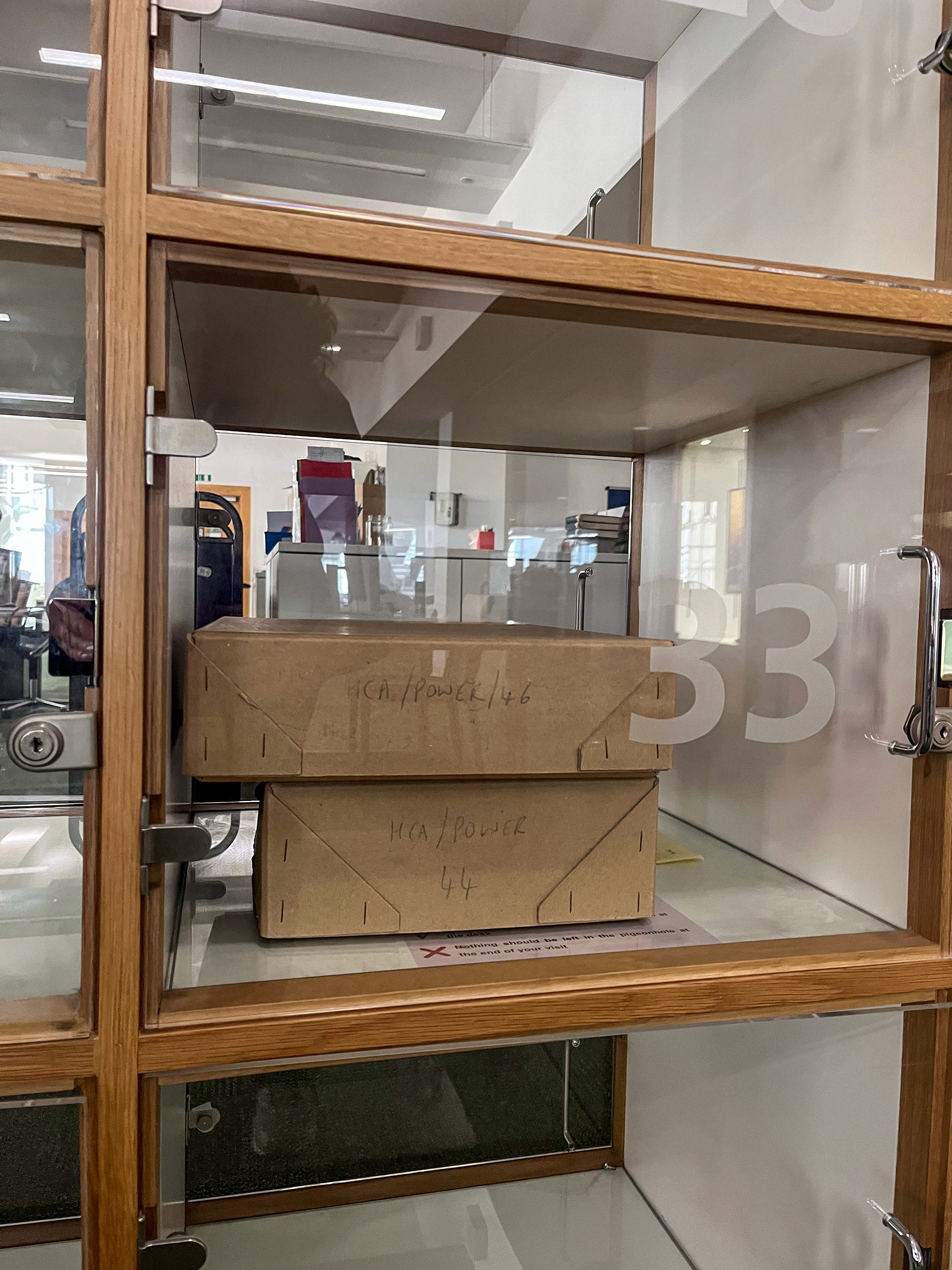
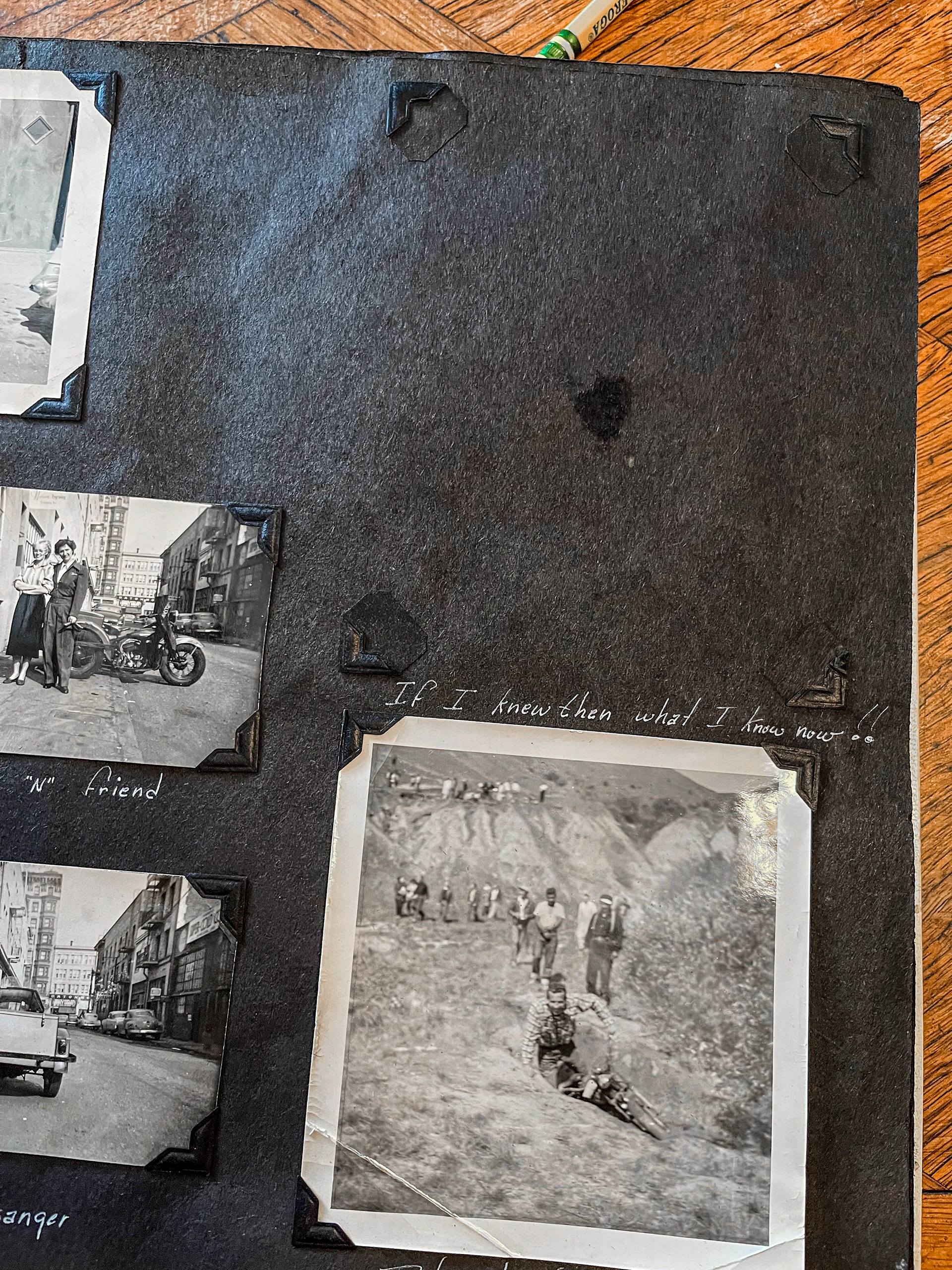
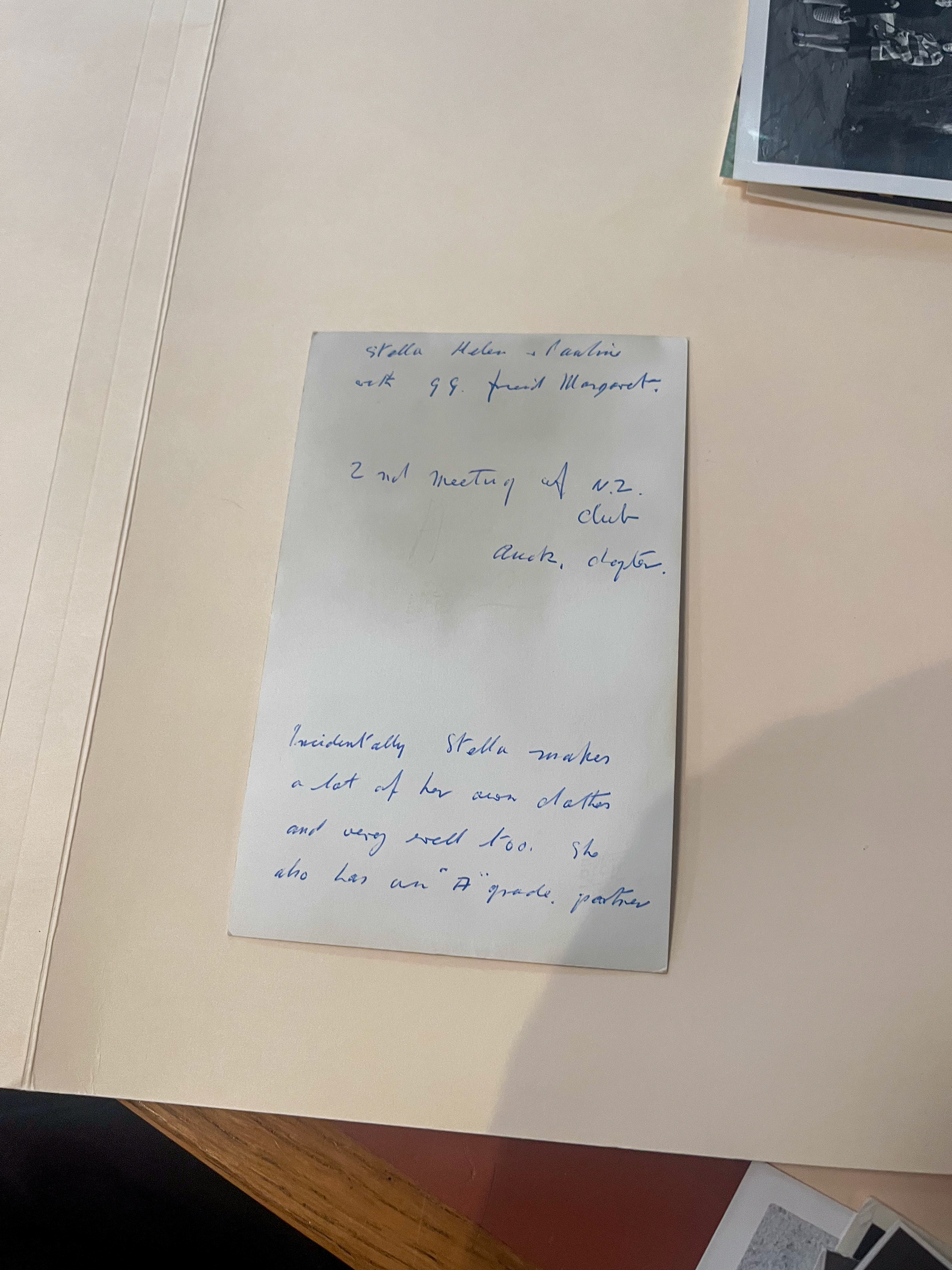
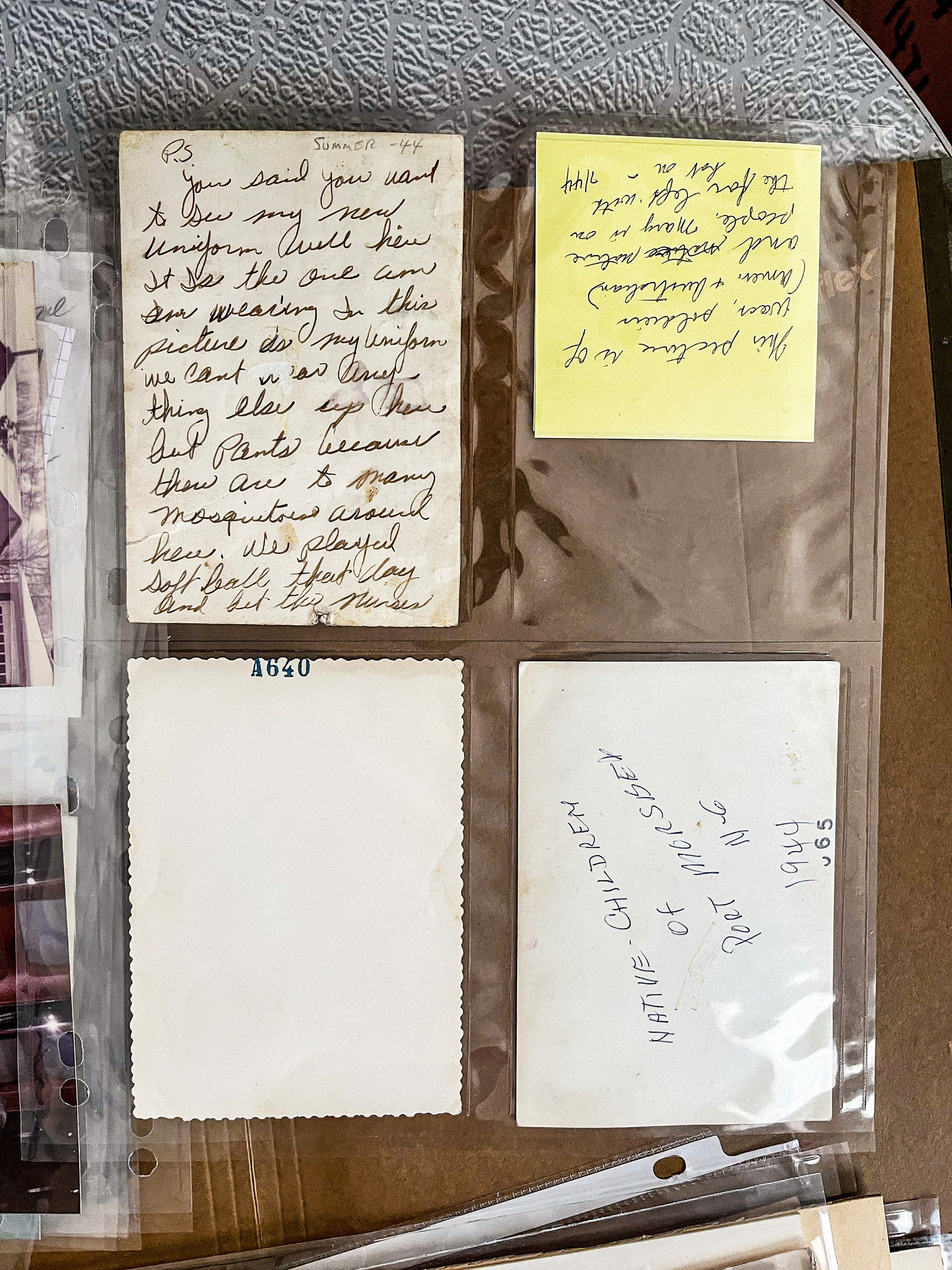
Gevouwen zodat het in een portemonnee past, of de achterkant volgeschreven als een dagboek. In archieven kom ik foto's en albums tegen die door tijd, aanraking en gebruik fysieke objecten zijn geworden. Ze zijn kwetsbaar, en verdwijnen weer in mappen, dozen en albums. De foto's zelf zijn buiten gemaakt en laten vrouwen zien die de publieke ruimte innamen.
Ik kende de documentaire foto's van straatprotesten en politieke bijeenkomsten die grotendeels de visuele geschiedenis van de lesbische gemeenschap bepalen. Belangrijke foto's, maar ook beelden waarin ik mezelf nooit heb herkend. Daarom zoek ik naar beelden waarin ik wél iets herken: een blik, een lichaamshouding, een manier van samenzijn. Deze alledaagse snapshots tonen geen grote momenten, maar levens die onder druk stonden en desondanks ruimte innamen. Juist die alledaagsheid maakt ze politiek.
Vanuit fotografie, archiefonderzoek, tekst en diverse materialen onderzoek ik hoe lesbische levens — nu en uit het verleden — fysieke en publieke aanwezigheid kunnen krijgen. Levens die nauwelijks zijn opgenomen in de officiële geschiedenis, lang verborgen zijn gebleven en nu opnieuw ruimte opeisen. Wat gebeurt er wanneer die beelden opnieuw ruimte innemen in de wereld?
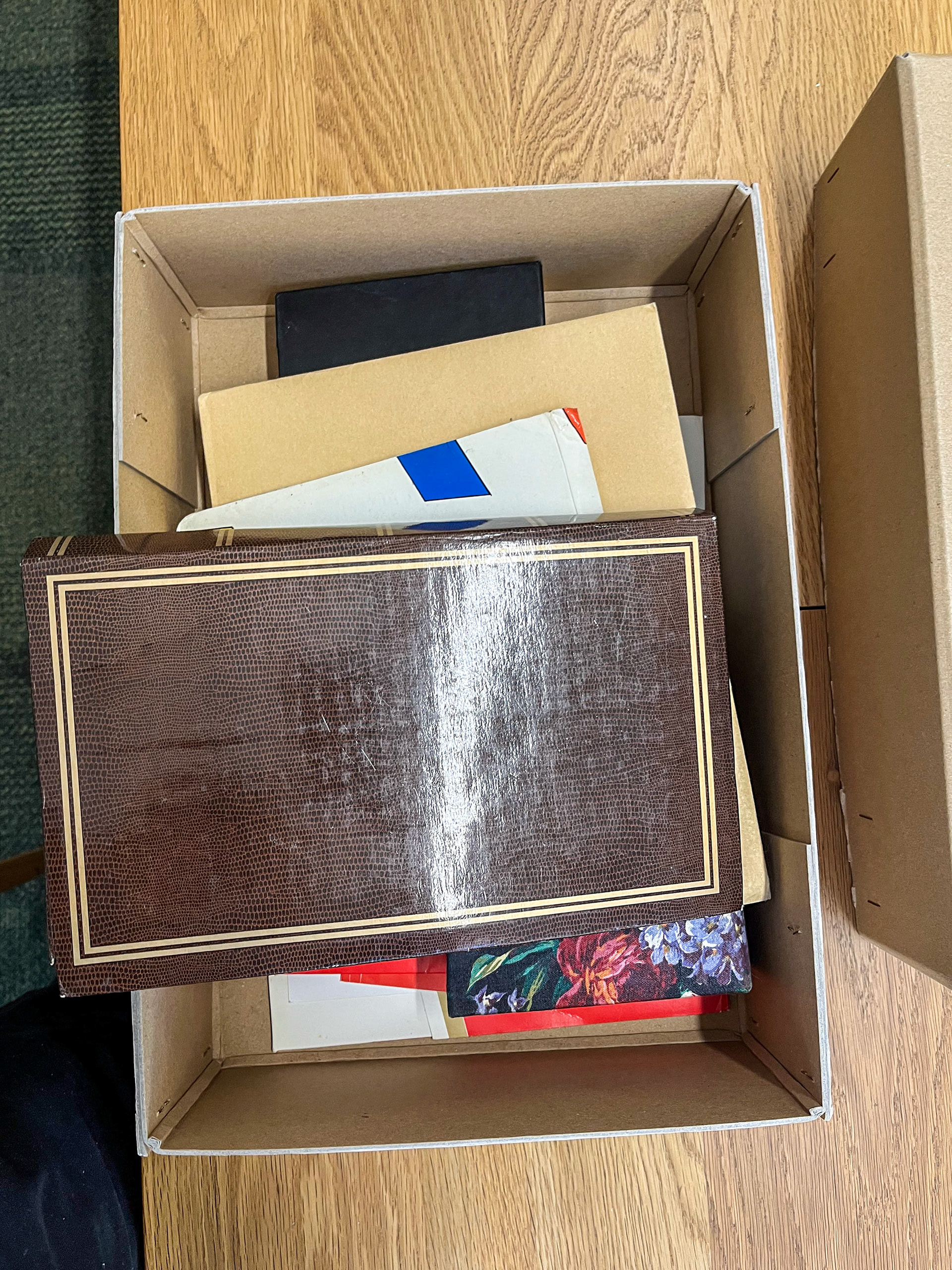
In dit hoofdstuk werk ik met foto's uit Europese queer, feministische en sociale archieven: het Bishopsgate Institute, de LSE Women's Library, IHLIA en ATRIA. Mijn archiefonderzoek is bijna afgerond. In de volgende fase onderzoek ik hoe een archiefbeeld zichtbaar kan worden buiten het archief, niet als document, maar als object met fysieke aanwezigheid.
The Shape of Presence is hoofdstuk III van het langlopende project A Place to Stand.
The Shape of Presence is hoofdstuk III van het langlopende project A Place to Stand.
Folded so it fits in a wallet, or the back filled with writing like a diary. In archives, I come across photographs and albums that have become physical objects through time, touch and use. They are fragile, and disappear again into folders, boxes and albums. The photographs themselves were taken outdoors, showing women who took up public space.
I knew the documentary photographs of street protests and political gatherings that largely define the visual history of the lesbian community. Important photographs, but also images in which I never recognized myself. That is why I search for images in which I do recognize something: a look, a posture, a way of being together. These everyday snapshots show no grand moments, but lives that were under pressure and nonetheless took up space. It is precisely that everydayness that makes them political.
Through photography, archival research, text and various materials, I explore how lesbian lives — both now and from the past — can gain physical and public presence. Lives that are barely included in official history, that have remained hidden for a long time and are now reclaiming space once more. What happens when these images take up space in the world once again?
In this chapter, I work with photographs from European queer, feminist and social archives: the Bishopsgate Institute, the LSE Women's Library, IHLIA and ATRIA. My archival research is nearly complete. In the next phase, I explore how an archival image can become visible outside the archive — not as a document, but as an object with physical presence.
The Shape of Presence is chapter III of the ongoing project A Place to Stand.
The Shape of Presence is chapter III of the ongoing project A Place to Stand.